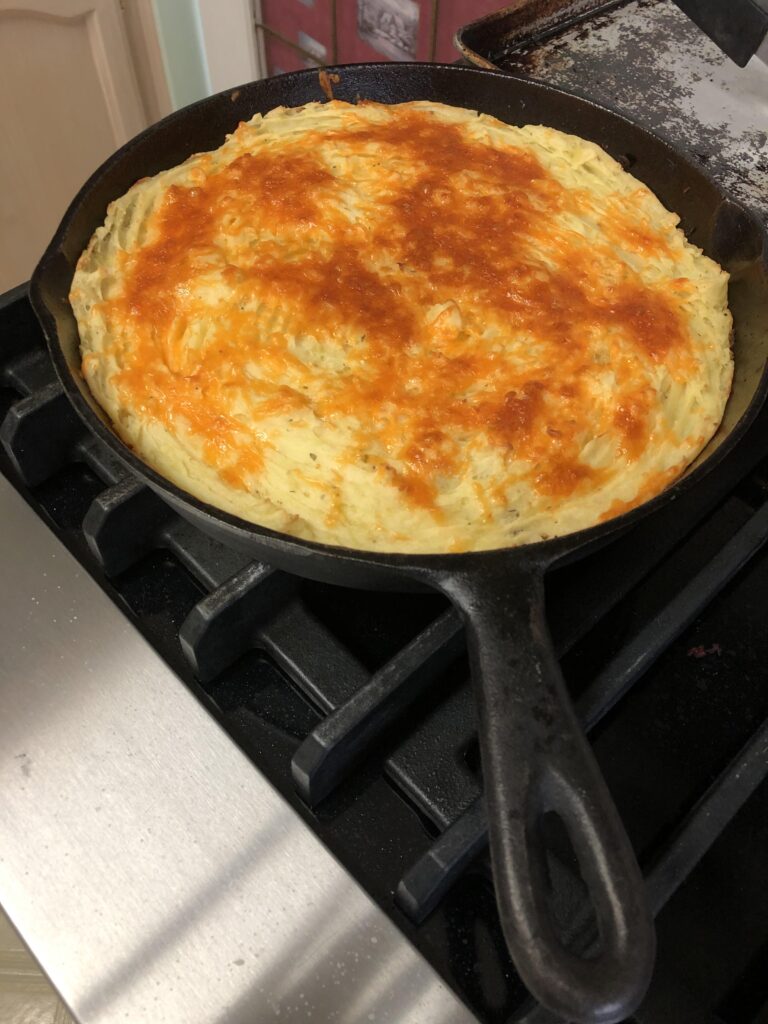
Traditional Leitrim Irish Soda Bread
There is nothing quite as comforting as the smell of fresh bread baking in the oven, especially on a long or difficult day. When the month of St. Patrick’s Day rolls around, making a warm, rustic loaf is the perfect way to find a little old-fashioned solace. This particular Irish soda bread is far more than just a seasonal treat; it is a cherished heirloom.
The formula for this gorgeous, golden loaf dates all the way back to circa 1870. It originated in Leitrim, Ireland, passed down from a beloved grandmother named Nana Rose Hackett Guinan. Authentic, generations-old recipes like this one offer a beautiful connection to the past, relying on simple pantry staples to create something deeply nourishing.
Unlike yeast breads that require hours of kneading and rising, this traditional quick bread relies on the chemical reaction between buttermilk and baking soda to achieve its beautiful lift. Studded with sweet raisins and aromatic caraway seeds, every single slice offers a hearty, deeply flavorful bite. Pour yourself a hot cup of tea, grab your favorite cast iron skillet, and enjoy the simple, therapeutic magic of baking a truly historic recipe.

Why You’ll Love This Recipe
-
It is an authentic, cherished family recipe originating from Leitrim, Ireland in the 1870s.
-
There is absolutely no yeast required, meaning you can have fresh bread on the table in under an hour.
-
Baking the dough in a cast iron skillet creates an incredibly crusty, rustic exterior while keeping the inside beautifully tender.
-
The combination of raisins and caraway seeds provides the perfect balance of sweetness and savory, earthy flavor.
-
It is the ultimate comfort food to pair with a hot cup of tea on a chilly March afternoon.
Ingredients
-
3 cups flour
-
1 tablespoon baking powder
-
1/4 teaspoon baking soda
-
3/4 teaspoon salt
-
Heaping 1/2 cup granulated sugar
-
1 cup of raisins
-
1 tablespoon caraway seeds
-
1 large egg
-
1 3/4 cups buttermilk
-
4 tablespoons BUTTER, melted
-
1 tablespoon milk (for the glaze)
-
1 tablespoon coarse sugar (for the topping)

Step-by-Step Instructions
Step 1: Prep the Oven and Pan
Before you begin mixing your dough, preheat your oven to 375°F. Lightly grease a baking pan or a cast iron skillet to ensure your bread does not stick during the baking process.
Step 2: Combine the Dry Ingredients
In a large mixing bowl, whisk together the first seven ingredients on your list. This includes the flour, baking powder, baking soda, salt, heaping half-cup of granulated sugar, raisins, and caraway seeds. Whisking these dry items first ensures the leavening agents and mix-ins are evenly distributed.
Step 3: Whisk the Wet Ingredients
In a separate, smaller bowl, whisk together your wet ingredients. This consists of the large egg, the 1 3/4 cups of buttermilk, and the 4 tablespoons of melted butter.
Step 4: Mix the Dough
Pour the wet buttermilk mixture into the large bowl containing your dry ingredients. Working quickly and gently, stir the wet and dry ingredients together just until they are combined. Be very careful not to overmix the dough, as that will result in a tough, dense loaf.
Step 5: Glaze and Bake
Transfer the shaggy dough into your lightly greased pan or skillet. Drizzle the top of the loaf with 1 tablespoon of milk and sprinkle it evenly with 1 tablespoon of coarse sugar for a beautiful, sweet crust. Bake in the preheated 375°F oven for 45 minutes.
Step 6: Test for Doneness
Test the center of the loaf with a cake tester or a long wooden skewer. When the tester comes out completely clean, remove the bread from the oven. Let it cool slightly before slicing and serving.
Expert Cooking Tips
-
Handle the dough as little as possible once the wet and dry ingredients meet. Overworking the dough will develop the gluten and eliminate the tender, crumbly texture that makes soda bread so special.
-
Make sure your melted butter has cooled slightly before adding it to the cold buttermilk and egg, otherwise, the butter may curdle or scramble the egg.
-
Using a cast iron skillet is highly recommended. The heavy iron conducts heat beautifully, creating a thick, crunchy bottom crust that traditional baking sheets simply cannot replicate.
-
If the top of your bread is browning too quickly in the oven, tent it loosely with a piece of aluminum foil for the last 15 minutes of baking.
-
Do not skip the coarse sugar topping; it provides a wonderful, bakery-style crunch that contrasts perfectly with the soft interior of the loaf.
Variations to Try
-
Currant Substitution: If you are not a fan of raisins, swap them out for an equal amount of dried currants for a slightly tarter, more traditional flavor profile.
-
Citrus Zest: Add a tablespoon of freshly grated orange or lemon zest to the dry ingredients to brighten the heavy, comforting flavors of the buttermilk.
-
Omit the Caraway: While caraway seeds are traditional in many Irish-American variations, they have a strong, distinct flavor. Feel free to leave them out if you prefer a sweeter, plainer bread.
What to Serve With Irish Soda Bread
-
Serve thick, warm slices generously slathered with high-quality, salted Irish butter.
-
Pair it with a steaming, freshly brewed pot of strong black tea for the ultimate afternoon comfort.
-
Use a sturdy slice to mop up the rich, savory gravy of a traditional Irish beef and Guinness stew.
Storage & Reheating
Refrigerator
Irish soda bread is best stored at room temperature rather than in the refrigerator, as the cold environment can dry out the crumb very quickly. Keep it wrapped tightly in plastic wrap or sealed in an airtight container on the counter for up to 3 days.
Freezer
This bread freezes exceptionally well. Allow the loaf to cool completely to room temperature, then slice it. Wrap the individual slices in plastic wrap and place them in a heavy-duty freezer bag. They will keep in the freezer for up to 3 months.
Reheating
To bring day-old soda bread back to life, pop a slice in the toaster until the edges are golden and crisp. If reheating a whole frozen loaf, let it thaw on the counter overnight, then warm it in a 300°F oven for 10-15 minutes.
Frequently Asked Questions
Why is it called soda bread?
Soda bread gets its name from the use of baking soda as the primary leavening agent, rather than traditional baker’s yeast. The baking soda reacts with the acidic buttermilk to create carbon dioxide bubbles, which cause the bread to rise beautifully in the oven.
Can I make this if I don’t have buttermilk?
While real buttermilk provides the best flavor and texture, you can make a quick substitute in a pinch. Add one tablespoon of white vinegar or lemon juice to a measuring cup, then fill it the rest of the way to the one-cup mark with regular whole milk. Let it sit for 5 minutes to curdle before using.
Do I have to use a cast iron skillet?
No, you do not have to use a cast iron skillet, though it does produce a gorgeous crust. The original recipe simply calls for transferring the dough to a “lightly greased pan,” so a standard round cake pan or a parchment-lined baking sheet will work perfectly fine.
Why did my bread turn out dense and heavy?
The most common culprit for dense soda bread is overmixing the dough. You want to gently and quickly fold the wet and dry ingredients together just until no dry flour remains. It should look like a shaggy, slightly messy mass, not a smooth, perfectly kneaded ball of dough.
Can I make this recipe ahead of time?
Because the chemical reaction between the buttermilk and the baking soda begins the exact second they mix, you cannot make this dough ahead of time. You must bake the bread immediately after mixing it to ensure it rises properly in the oven.
Final Thoughts
Baking a historic recipe like Nana Rose Hackett Guinan’s Irish soda bread is a wonderful way to honor the past and bring incredible comfort into your kitchen. The smell of buttermilk, raisins, and caraway baking in a cast iron pan is enough to turn any bad day around. Gather your ingredients, put the kettle on for some tea, and enjoy a warm slice of this authentic 1870s Leitrim heritage today.

Traditional Leitrim Irish Soda Bread
Equipment
- Large mixing bowl
- Small mixing bowl
- Whisk
- Cast iron skillet or baking pan
- Cake tester or wooden skewer
Ingredients
- 3 cups flour
- 1 tablespoon baking powder
- 1/4 teaspoon baking soda
- 3/4 teaspoon salt
- Heaping 1/2 cup granulated sugar
- 1 cup of raisins
- 1 tablespoon caraway seeds
- 1 large egg
- 1 3/4 cups buttermilk
- 4 tablespoons BUTTER melted
- 1 tablespoon milk for glaze
- 1 tablespoon coarse sugar for topping
Instructions
- Preheat the oven to 375°F. Lightly grease a baking pan or cast iron skillet.
- In a large bowl, whisk together the first 7 ingredients: flour, baking powder, baking soda, salt, granulated sugar, raisins, and caraway seeds.
- In a separate bowl, whisk together the wet ingredients: the egg, buttermilk, and melted butter.
- Quickly and gently stir the wet and dry ingredients together.
- Transfer the dough into the lightly greased pan.
- Drizzle the top with 1 tablespoon of milk and sprinkle with 1 tablespoon of coarse sugar.
- Bake in the preheated 375°F oven for 45 minutes.
- Test with a cake tester in the center; when it comes out clean, remove the bread from the oven. Notes:
- Do not overmix the dough, or the bread will be tough.
Notes