Italian Wine Cookies (Crunchy Anise & White Wine Recipe)
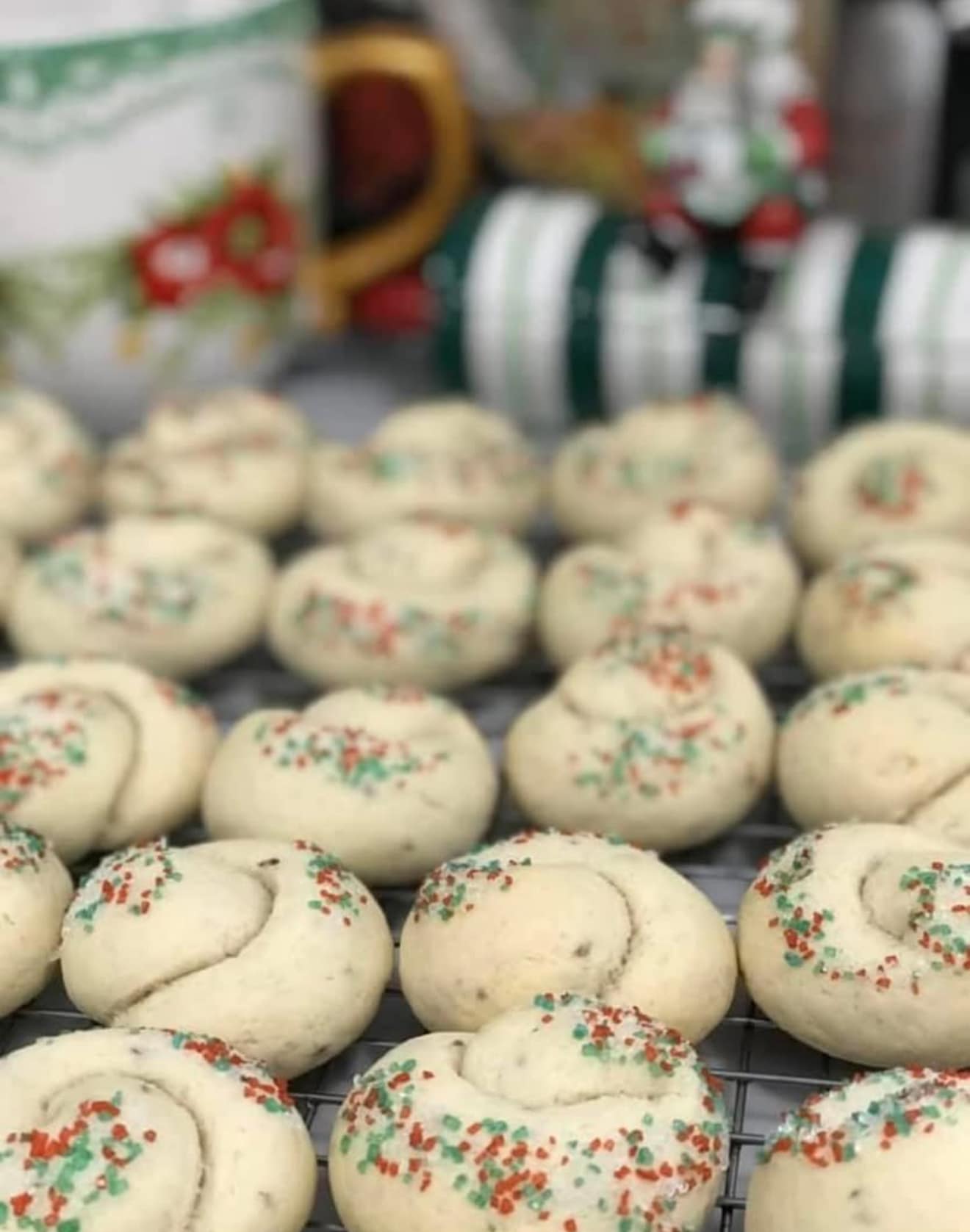
These are Wine Cookies (or in Italy, Ciambelline al Vino).
This is a recipe passed down from Elaine Campanaro Falatico and it is a true vintage gem. They are what I call a “grown-up cookie.” They aren’t overly sweet or soft; instead, they are crunchy, aromatic, and distinctly flavored with sweet white wine and anise seeds.
In Italian households, these aren’t just for dessert—they are often served at the end of a meal to be dunked into a glass of wine or a hot cup of espresso.
Why You’ll Love This Recipe
-
Pantry Magic: The dough contains no eggs and no butter. It relies on the reaction between the wine, oil, and baking powder for lift.
-
The Crunch: These are sturdy, crunchy cookies. If you love Biscotti, you will love these.
-
Yields a Ton: This recipe is designed for an Italian grandmother feeding a village. It makes a large batch (approx 6–8 dozen), making it the absolute best recipe for cookie exchanges.
-
Aromatic: The smell of the wine and anise seeds baking in the oven is essentially the scent of an Italian Christmas.
Ingredients Breakdown
-
Sweet White Wine: I use Muscatel or a White Port. You want something with some residual sugar. If your wine is dry (like Pinot Grigio), you might want to add a little extra sugar to the dough.
-
Canola Oil: Because there is no butter, oil provides the fat. This gives the cookie its signature snap.
-
Sugar: Granulated sugar goes into the dough and is also used for the topping.
-
Anise Seeds: These provide that classic black licorice flavor. It’s subtle but essential for authenticity.
-
Baking Powder: A generous amount (3 tablespoons!) helps these puff up in the oven.
-
Flour: You add this by feel (see the tips below).
-
Topping: While traditional recipes just dip the cookie in sugar, for my Christmas map, I brush them with egg wash and add holiday sprinkles or colored sugar for a festive touch.
Step-by-Step Instructions
Step 1: Mix the Liquids
Preheat your oven to 375°F (190°C). In a very large bowl, combine the canola oil, sugar, and sweet white wine. Whisk them together until the sugar starts to dissolve.
Step 2: Add Aromatics
Stir in the anise seeds and the baking powder. The mixture might fizz slightly—that’s the baking powder reacting with the acidity of the wine!
Step 3: Add Flour Gradually
Start adding all-purpose flour one cup at a time. Stir after each addition.
-
The Texture Test: You want to add just enough flour to make the dough cohesive. It should be soft and pliable (like playdough) but not sticky. If you add too much flour, the cookies will be rock hard. Stop when you can handle it without it sticking to your fingers.
Step 4: Shape the Knots
Pinch off a piece of dough (I use a medium cookie scoop for consistency). Roll it into a “snake” or log about 5 inches long. Twist the log into a simple knot or a circle (donut shape).
-
Note: On my 2018 map, I used the knot shape because it holds the sprinkles beautifully.
Step 5: Top and Bake
Place cookies on parchment-lined baking sheets. Beat an egg in a small bowl. Brush the tops of the cookies with the egg wash. Generously sprinkle with granulated sugar (traditional) or festive nonpareils (my holiday version).
Bake for 15 minutes. They should be lightly golden brown on the bottom. Transfer to a wire rack to cool—they will crisp up significantly as they cool down.
Expert Tips & Troubleshooting
-
Don’t have sweet wine? You can use a standard white wine, but increase the sugar in the dough by about 1/4 cup.
-
Halve the Recipe: As written, this makes a huge batch. You can easily cut all ingredients in half and still get about 4 dozen cookies.
-
The Dunking Rule: These cookies are dry by design. They are meant to be dunked. If you eat one plain and find it hard, pour yourself a glass of wine or coffee and try again!
-
Anise Substitute: If you absolutely hate anise, you can substitute vanilla extract or lemon zest, though the anise seed is what makes them traditional.
Storage
These are “Forever Cookies.” Because they have no butter or milk in the dough, they last a long time.
-
Room Temperature: Store in a tin for up to 4 weeks.
-
Freezing: You can freeze them, but they honestly last so long on the counter you rarely need to.
Frequently Asked Questions
Why is there no egg in the dough? This is a “Cucina Povera” (peasant cooking) tradition. Eggs and butter were expensive, but wine and oil were staples in Italy. The egg wash on top provides the shine, but the dough is egg-free.
Can I use red wine? Yes! If you use red wine, they become purple-tinted. It’s a fun variation, often made with a dry Chianti.
Conclusion
The Wine Cookie (#17) is the sophisticated cousin of the cookie box. It offers a crunch and an aroma that balances out all the chocolate and frosting. Whether you dip them in your morning coffee or your evening port, they are a delicious link to Italian heritage.
Have you ever tried baking with wine? Let me know in the comments!
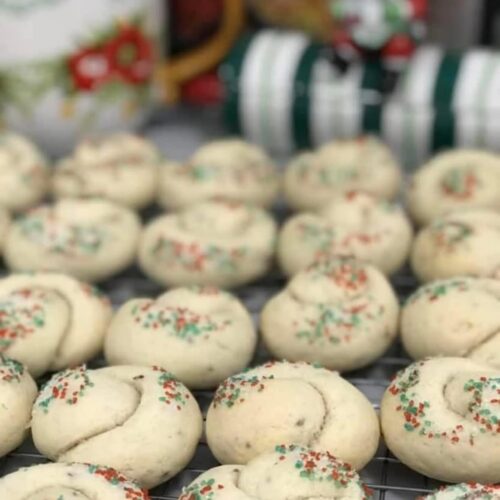
Italian Wine Cookies (Ciambelline al Vino)
Ingredients
- 2 cups Canola Oil
- 2 cups Granulated Sugar plus more for topping
- 2 cups Sweet White Wine Muscatel or White Port
- 3 tbsp Baking Powder
- 2 tbsp Anise Seeds
- 6-8 cups All-Purpose Flour approx, add until cohesive
- 1 Egg for egg wash - optional
- Sprinkles optional
Instructions
- Preheat oven to 375°F. Line trays with parchment.
- Whisk oil, sugar, and wine in a large bowl.
- Stir in baking powder and anise seeds.
- Add flour 1 cup at a time until a soft, non-sticky dough forms.
- Roll dough into 5-inch ropes and tie into knots.
- Brush with beaten egg and sprinkle with sugar or sprinkles.
- Bake 15 minutes until bottoms are light gold.
- Cool on rack to crisp up.