Ultimate Creamy Cast Iron Mac and Cheese
The Ultimate Comfort Food: Baked Cast Iron Mac and Cheese
There is nothing quite like a bubbling, golden skillet of homemade macaroni and cheese fresh from the oven. While boxed versions have their nostalgic charm, making a velvety, rich cheese sauce from scratch elevates this classic comfort food to an entirely new level. This baked cast iron mac and cheese is the perfect balance of an incredibly creamy center and those coveted crispy, caramelized edges that everyone fights over.
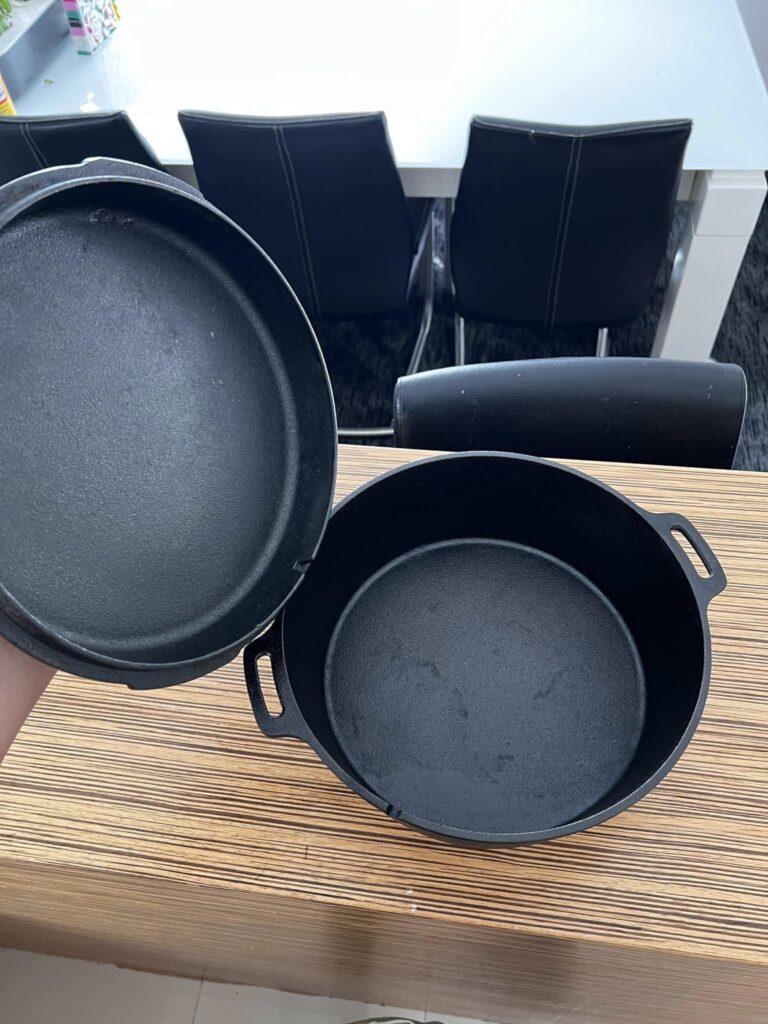
What makes this recipe truly stand out is the cooking method and the carefully selected blend of cheeses. By building the cheese sauce directly in a heavy-duty cast iron skillet, you create a seamless transition from the stovetop to the oven, which cuts down on dishes. The combination of sharp cheddar and nutty gruyere yields a complex, deeply savory flavor profile that feels sophisticated yet totally approachable.
Whether you need a show-stopping side dish for a holiday gathering, a comforting addition to a Sunday barbecue, or a hearty weeknight dinner, this skillet mac and cheese always delivers. It takes surprisingly little time to pull together, relying on a simple roux and freshly grated cheese to achieve a flawless, restaurant-quality texture. Grab your favorite skillet, and let’s get cooking!

Why You’ll Love This Recipe
- Crispy Edges: Baking this dish in cast iron creates incredibly crispy, cheesy edges that you just cannot get in a standard glass baking dish.
- Velvety Smooth Sauce: The classic roux-based sauce ensures the melted cheese stays rich and creamy, never broken or greasy.
- Fewer Dishes: You build the cheese sauce and bake the final dish in the exact same skillet.
- Elevated Flavor: A dash of dry mustard powder and garlic powder perfectly enhances the sharpness of the cheddar without overpowering the dish.
- Crowd-Pleaser: This is the ultimate side dish for holidays, potlucks, and family dinners. It easily serves a hungry crowd.
Ingredients
- Macaroni: 1 pound of elbow macaroni. You can also use cavatappi, shells, or any short pasta with grooves to hold the sauce.
- Butter: 1/4 cup (1/2 stick) of unsalted butter to create the rich base for the roux.
- Flour: 1/4 cup all-purpose flour. This thickens the milk to create a heavy, luxurious sauce.
- Milk: 3 cups of whole milk, gently warmed. Using warm milk helps the sauce thicken faster and smoother.
- Cheddar Cheese: 3 cups of freshly grated sharp cheddar cheese, divided. Two cups go into the sauce, and one cup is saved for the golden crust.
- Gruyere Cheese: 1 cup of freshly grated gruyere cheese. This melts beautifully and adds a sophisticated, nutty depth.
- Dry Mustard Powder: 1/2 teaspoon of dry mustard powder. This is the secret ingredient that amplifies the cheesy flavor.
- Garlic Powder: 1/2 teaspoon of garlic powder for a touch of savory warmth.
- Seasoning: Kosher salt and freshly cracked black pepper to taste.
- Optional: A pinch of cayenne pepper if you like a subtle kick of background heat.
Step-by-Step Instructions
Step 1: Boil the Macaroni
Preheat your oven to 375°F (190°C). Bring a large pot of heavily salted water to a rolling boil. Add the elbow macaroni and cook it for about one minute less than the package directions indicate for al dente. The pasta will continue to cook in the oven, so you want it slightly firm. Drain the pasta well and set it aside.
Step 2: Create the Roux
Place a large cast iron skillet over medium heat and add the unsalted butter. Once the butter is completely melted and slightly foamy, sprinkle in the all-purpose flour. Whisk continuously for 1 to 2 minutes. The mixture will bubble and start to smell slightly nutty. Cooking the flour prevents your sauce from having a raw, pasty taste.
Step 3: Build the Creamy Béchamel
Slowly pour the warm whole milk into the skillet while whisking vigorously to prevent any lumps from forming. Continue to cook the sauce over medium heat, whisking frequently, for about 3 to 5 minutes. You will know it is ready when the liquid reduces and thickens enough to heavily coat the back of a wooden spoon.
Step 4: Melt the Cheese
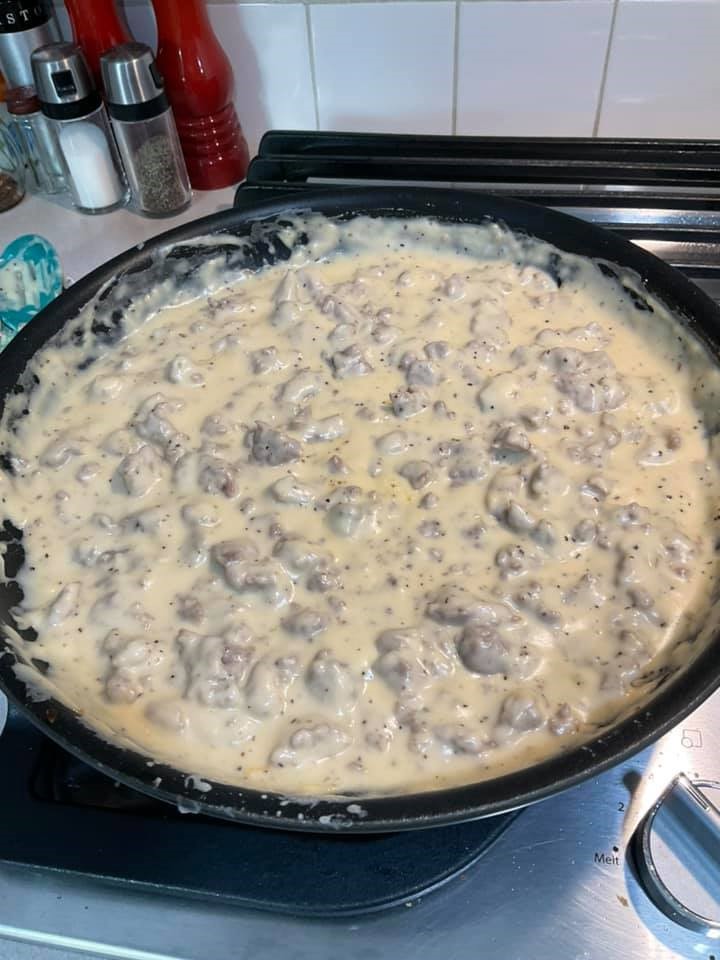
Turn the stovetop heat completely off. This is a crucial step to prevent the cheese sauce from separating and becoming grainy. Stir in 2 cups of the freshly grated sharp cheddar, all of the gruyere, the dry mustard powder, the garlic powder, salt, and black pepper. Stir gently until the cheese is entirely melted and the sauce is perfectly smooth.
Step 5: Combine and Top
Pour your drained, cooked macaroni directly into the skillet with the rich cheese sauce. Use a large spoon or spatula to gently fold the pasta until every single noodle is heavily coated. Smooth the top into an even layer, then sprinkle the remaining 1 cup of sharp cheddar cheese evenly over the surface.
Step 6: Bake to Perfection
Carefully transfer the heavy skillet into the preheated oven. Bake for 20 to 25 minutes. You are looking for a beautiful, bubbly perimeter and a deeply golden-brown crust on top. Remove the skillet from the oven and let the mac and cheese rest for 5 to 10 minutes before serving. This resting time allows the molten cheese sauce to set slightly, making it much easier to scoop.
Expert Cooking Tips
- Always Grate Your Own Cheese: Pre-shredded cheese in bags is coated with cellulose and anti-caking agents that prevent it from melting smoothly. Taking the extra time to grate block cheese is the number one secret to a velvety sauce.
- Turn the Heat Off: Never boil your cheese sauce. Always remove the skillet from the heat source before stirring in your grated cheese to keep the dairy proteins from separating and turning grainy.
- Warm Your Milk: Taking the chill off your milk before whisking it into the hot roux prevents the butter from seizing up, ensuring a lump-free sauce.
- Slightly Undercook the Pasta: Because the macaroni will bake for another 25 minutes in a hot liquid, boiling it slightly less than al dente ensures it retains a pleasant bite and does not turn to mush.
- Let It Rest: It will be tempting to dive right in, but letting the baked dish cool for 5 minutes helps the sauce thicken up beautifully for serving.
Variations to Try
- Bacon Mac and Cheese: Cook and crumble half a pound of thick-cut bacon. Stir the crispy bacon bits into the pasta along with the cheese sauce before baking.
- Crunchy Panko Topping: Toss 1/2 cup of panko breadcrumbs with a tablespoon of melted butter and sprinkle it over the top layer of cheese for an incredible textural crunch.
- Spicy Jalapeño: Fold in half a cup of diced pickled jalapeños and swap half of the cheddar for pepper jack cheese to give the dish a fiery, Southwestern spin.
- Smoky Gouda: Replace the gruyere with an equal amount of smoked gouda to give the entire dish a rich, campfire-like smokiness.
What to Serve With Cast Iron Mac & Cheese
This rich and hearty skillet pairs perfectly with classic barbecue main courses like pulled pork, smoked brisket, or sticky BBQ ribs. It is also the ideal companion for crispy fried chicken or roasted turkey during the holidays.
Because the dish is heavy and decadent, you will want to serve it alongside something bright and fresh to cut through the richness. A simple green salad dressed with a sharp lemon vinaigrette, garlic roasted broccoli, or tender-crisp green beans make excellent accompaniments.
Storage & Reheating
Refrigerator
Allow any leftover mac and cheese to cool completely. Transfer it to an airtight container, or tightly cover the skillet with aluminum foil, and store it in the refrigerator for up to 4 days.
Freezer
You can freeze baked mac and cheese, though the texture of the pasta will soften slightly. Store fully cooled portions in an airtight, freezer-safe container for up to 2 months. Thaw overnight in the refrigerator before reheating.
Reheating
Pasta absorbs moisture as it sits in the fridge, so the sauce will seem dry the next day. To reheat individual portions, add a splash of milk and microwave gently in 30-second bursts, stirring in between. To reheat a larger amount, add a splash of milk, cover with foil, and warm in a 350°F (175°C) oven for 15-20 minutes until bubbling.
Frequently Asked Questions
Why did my cheese sauce turn out grainy?
Grainy cheese sauce usually happens for two reasons: using pre-shredded bagged cheese coated in anti-caking powders, or adding the cheese while the pan is still over high heat. Always grate your own block cheese and stir it in after removing the skillet from the heat.
Can I make this in a regular baking dish if I don’t have cast iron?
Absolutely! Simply prepare the cheese sauce and fold in the pasta using a large pot or Dutch oven, then transfer the entire mixture into a greased 9×13-inch glass or ceramic baking dish. Top with cheese and bake as directed.
What can I use instead of gruyere cheese?
Gruyere can be expensive and sometimes hard to find. Excellent substitutes that melt beautifully include fontina, gouda, Emmental, or even a high-quality white cheddar.
Why do you put dry mustard powder in mac and cheese?
Dry mustard powder does not make the dish taste like a hot dog! The acidity and tang of the mustard actually enhance the natural sharpness of the cheddar cheese, making the dish taste much more flavorful and complex.
Can I prepare this recipe ahead of time?
Yes. You can assemble the macaroni and cheese entirely, stop right before baking, cover it tightly, and keep it in the refrigerator for up to 2 days. When you are ready to eat, simply uncover and bake. You may need to add 5 to 10 extra minutes to the baking time since the dish will be starting from cold.
Final Thoughts
Making mac and cheese in a cast iron skillet is a game-changer for home cooks. The combination of a perfectly smooth, rich cheddar and gruyere sauce with the crispy, golden edges from the heavy pan results in a side dish that simply outshines the rest. Whether it’s a holiday feast or a cozy Tuesday night in, this recipe will have everyone at the table asking for seconds!

Creamy Cast Iron Mac and Cheese
An ultra-creamy, incredibly cheesy baked macaroni and cheese made entirely in a cast iron skillet for the perfect crispy edges. Made from scratch with sharp cheddar and gruyere!
Ingredients
- 1 lb elbow macaroni
- 1/4 cup unsalted butter 1/2 stick
- 1/4 cup all-purpose flour
- 3 cups whole milk gently warmed
- 3 cups sharp cheddar cheese freshly grated, divided
- 1 cup gruyere cheese freshly grated
- 1/2 teaspoon dry mustard powder
- 1/2 teaspoon garlic powder
- Kosher salt to taste
- Freshly ground black pepper to taste
Instructions
- Preheat your oven to 375°F (190°C). Bring a large pot of salted water to a boil and cook the macaroni until al dente (about 1 minute less than the package instructions). Drain well and set aside.
- In a large cast iron skillet over medium heat, melt the unsalted butter. Once melted, whisk in the flour and cook for 1-2 minutes until bubbling and fragrant.
- Slowly pour the warm milk into the skillet, whisking constantly to prevent lumps. Simmer the mixture for 3-5 minutes, whisking frequently, until the sauce thickens enough to coat the back of a spoon.
- Turn off the heat completely. Stir in 2 cups of the grated cheddar, all of the grated gruyere, dry mustard powder, garlic powder, salt, and pepper. Stir until the cheese is completely melted and the sauce is smooth.
- Fold the cooked macaroni directly into the cheese sauce right in the skillet until evenly coated.
- Sprinkle the remaining 1 cup of sharp cheddar cheese evenly across the top.
- Bake for 20-25 minutes until the cheese is bubbling and deeply golden on top. Let the dish rest for 5 minutes before serving.
Notes
Grate Your Own Cheese: Pre-shredded cheese will result in a grainy, clumpy sauce. Always use freshly grated cheese off the block. No Cast Iron?: You can make the sauce in a regular pot, mix in the noodles, and transfer everything to a greased 9x13 baking dish to bake. Reheating: Add a small splash of milk before reheating leftovers to help the sauce become creamy again.