Classic Soft and Chewy Snickerdoodle Cookies
The Ultimate Old-Fashioned Cinnamon Sugar Cookie
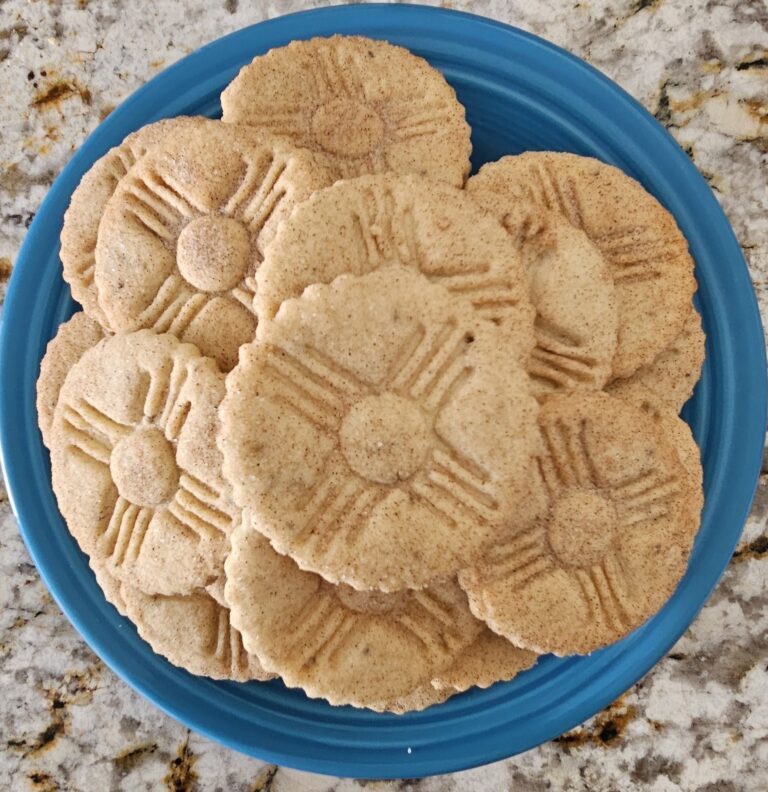
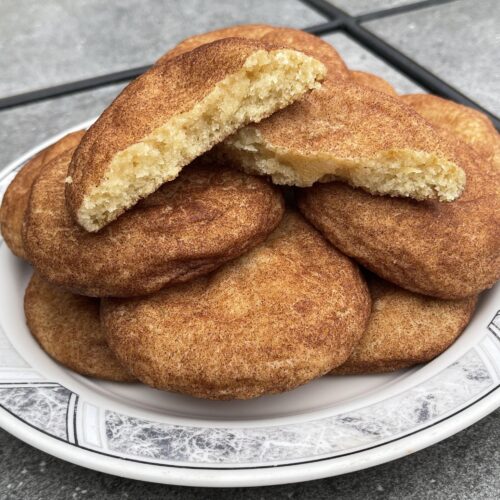
There is something incredibly nostalgic about the aroma of cinnamon and sugar wafting through the kitchen. When it comes to old-fashioned comfort baking, the classic snickerdoodle stands entirely in a league of its own. While they might look like a standard sugar cookie at first glance, one bite reveals a completely different experience. They boast a distinctly crisp, crinkled edge that gives way to a supremely soft, thick, and chewy center that practically melts in your mouth.
The secret to this iconic cookie lies in a very specific pantry staple: cream of tartar. This unique ingredient does heavy lifting in the recipe, providing the dough with its signature subtle tang that perfectly balances the sweetness of the sugar coating. It also prevents the sugar from crystallizing too much, which guarantees that delightfully chewy texture instead of a crunchy one.
These cookies are absolute perfection for holiday cookie trays, autumn afternoon snacks, or simply anytime you need a cozy, homemade treat. Because the dough comes together quickly with basic ingredients you likely already have in your cupboards, they are a fantastic option for impromptu baking sessions. Whether you are passing down family recipes or just discovering the joy of baking from scratch, this timeless classic will quickly become a permanent fixture in your dessert rotation.

Why You’ll Love This Recipe
-
Perfect Texture: They strike the absolute perfect balance between a slightly crispy exterior and a pillowy, chewy center.
-
No Chill Time Required: Unlike many cookie recipes that require hours in the fridge, this dough can be mixed, rolled, and baked immediately.
-
Pantry-Friendly: You do not need any fancy ingredients. If you bake occasionally, you likely have everything you need sitting in your kitchen right now.
-
Signature Tang: The exact ratio of cream of tartar ensures you get that authentic, old-fashioned snickerdoodle flavor profile.
-
Beautiful Presentation: The cinnamon-sugar coating cracks beautifully as the cookie bakes, giving them a stunning, bakery-style crinkled appearance.
-
Kid-Approved: Rolling the dough balls in the sweet cinnamon mixture is a fun, easy, and messy-in-a-good-way step that children love helping with.
Ingredients
-
Unsalted Butter: One cup (two sticks), softened to room temperature. This provides a rich, buttery base and helps the cookies spread perfectly.
-
Granulated Sugar: Used in both the dough and the coating. It sweetens the cookies and helps create those beautiful crinkly tops.
-
Eggs: Two large eggs at room temperature act as the binding agent, adding moisture and structure to the dough.
-
Vanilla Extract: Two teaspoons of pure vanilla extract enhance the buttery flavor and complement the warm cinnamon.
-
All-Purpose Flour: The structural foundation of the cookie. Make sure to measure using the spoon-and-level method so your cookies don’t become dry.
-
Cream of Tartar: The most critical ingredient! Two teaspoons give the cookies their signature tangy flavor and chewy texture.
-
Baking Soda: Works together with the acidic cream of tartar to leaven the cookies, helping them puff up in the oven.
-
Salt: Just a half teaspoon balances the overall sweetness and elevates all the other flavors.
-
Ground Cinnamon: Used exclusively for the rolling mixture to create that iconic spiced exterior.
Step-by-Step Instructions
Step 1: Prepare Your Equipment
Preheat your oven to 350°F (175°C). Line two large baking sheets with parchment paper. This prevents the sugar coating from burning and sticking to the bottom of the pan, making cleanup a breeze.
Step 2: Mix the Cinnamon Sugar Coating
In a small, shallow bowl, whisk together the quarter cup of granulated sugar and one and a half tablespoons of ground cinnamon. Set this bowl aside so it is ready for your rolling station later.
Step 3: Cream the Butter and Sugar
In the large bowl of a stand mixer, or using a handheld electric mixer, combine the softened unsalted butter and one and a half cups of granulated sugar. Beat them together on high speed for about 3 full minutes. The mixture should transform from heavy and yellow to light, fluffy, and pale. Do not rush this step; creaming incorporates air for a softer cookie.
Step 4: Incorporate the Wet Ingredients
Once the butter and sugar are properly creamed, add in the two large eggs and the vanilla extract. Beat the mixture on medium speed just until the eggs are fully incorporated and the batter looks smooth. Scrape down the sides and bottom of the bowl with a rubber spatula to ensure everything is mixed evenly.
Step 5: Whisk the Dry Ingredients
In a separate medium bowl, whisk together the all-purpose flour, cream of tartar, baking soda, and salt. Whisking ensures the leavening agents and the cream of tartar are evenly distributed, which prevents your cookies from baking unevenly.
Step 6: Form the Cookie Dough
Turn your mixer down to low speed. Gradually add the dry flour mixture into the wet butter mixture, blending just until a soft, cohesive dough forms. Stop mixing as soon as the last streaks of flour disappear. Overmixing at this stage will develop the gluten and result in tough cookies.
Step 7: Scoop and Roll
Using a cookie scoop or a measuring spoon, portion out mounds of dough about 1.5 tablespoons in size. Roll the dough between the palms of your hands to form smooth balls. Drop each ball into your prepared cinnamon-sugar mixture and roll them around heavily until completely coated.
Step 8: Arrange and Bake
Place the sugar-coated dough balls onto your prepared baking sheets, leaving about two inches of space between each one. Bake in the preheated oven for 9 to 11 minutes. The cookies will puff up tall in the oven and then drop and flatten slightly as they finish, creating those gorgeous crinkled edges.
Step 9: Cool and Serve
Remove the baking sheets from the oven. The centers may still look slightly underbaked, which is exactly what you want. Let the cookies cool on the hot pan for 5 minutes to set the edges before using a spatula to transfer them to a wire cooling rack to cool completely.
Expert Cooking Tips
-
Properly softened butter is key: Your butter should give slightly when pressed with a finger, but it should not be greasy or melting. If your butter is too warm, the cookies will spread into flat puddles in the oven.
-
Measure flour correctly: Flour packing is the number one reason for dry cookies. Fluff your flour in the bag, spoon it into your measuring cup, and level it off with a butter knife.
-
Do not skip the cream of tartar: While you can technically bake a cinnamon sugar cookie without it, it will lack the authentic snickerdoodle tang and chew. It is worth keeping a small jar in your pantry!
-
Underbake slightly: For the softest, chewiest centers, pull the cookies out when the edges are set but the very centers still look a little glossy and soft. They will finish cooking on the hot pan.
-
Chill if necessary: If your kitchen is incredibly warm and the dough feels too sticky to roll easily, pop the bowl in the refrigerator for 20 minutes before shaping.
Variations to Try
-
Brown Butter Snickerdoodles: Brown your butter in a saucepan and let it solidify back to room temperature before creaming. This adds a deep, nutty, caramel-like flavor that elevates the cookie to a gourmet level.
-
Pumpkin Spice Snickerdoodles: Swap the ground cinnamon in the rolling mixture for two tablespoons of pumpkin pie spice for a cozy, autumnal twist.
-
Chai Spiced: Add a pinch of cardamom, ginger, and allspice to your cinnamon sugar rolling mixture to replicate the warming flavors of a chai latte.
-
White Chocolate Chip: Fold one cup of high-quality white chocolate chips into the dough right before scooping. The creamy chocolate pairs wonderfully with the tangy cinnamon profile.
What to Serve With Classic Snickerdoodles
Snickerdoodles are the ultimate dunking cookie. Serve a warm plate of these alongside a tall glass of ice-cold milk or a piping hot mug of spiced apple cider. They also make a fantastic pairing for morning coffee or afternoon black tea. If you are serving these for a holiday party, they look stunning on a dessert board next to a rich slice of buttermilk pie or a classic Southern peach cobbler.
Storage & Reheating
Refrigerator
While you can store baked snickerdoodles in the refrigerator, it tends to dry out the crumb faster. It is best to store them at room temperature. However, you can store unbaked cookie dough tightly wrapped in the fridge for up to 3 days before rolling and baking.
Freezer
These cookies freeze incredibly well! To freeze baked cookies, let them cool completely, then place them in an airtight freezer bag or container for up to 3 months. To freeze unbaked dough, roll the dough balls in the cinnamon sugar, freeze them solid on a baking sheet, and transfer them to a freezer bag. You can bake them straight from frozen by adding 1 to 2 extra minutes to the bake time.
Reheating
To bring a day-old cookie back to that freshly baked, melt-in-your-mouth state, place it on a microwave-safe plate and heat it for exactly 5 to 8 seconds. The butter will warm up, making the center incredibly soft and chewy all over again.
Frequently Asked Questions
What does cream of tartar do in snickerdoodles?
Cream of tartar is an acidic byproduct of winemaking. In snickerdoodles, it serves two main purposes: it prevents the sugar in the dough from crystallizing (which gives the cookie its chewy texture rather than a crisp snap) and it provides a distinct, slightly tangy flavor that separates a snickerdoodle from a standard sugar cookie.
Can I make snickerdoodles without cream of tartar?
Technically, yes, but they will just be cinnamon sugar cookies. If you are in a pinch, you can omit the baking soda and the cream of tartar, and substitute them with two teaspoons of baking powder instead. However, you will lose that iconic tangy flavor and the chewiness will be slightly altered.
Why did my snickerdoodles go flat?
Flat cookies are usually the result of butter that was entirely too warm when creamed, or an oven that was not fully preheated. Make sure your butter is only slightly softened, and if your kitchen is very warm, chill your dough for 20 minutes before baking.
Why are my cookies hard instead of chewy?
Hard cookies are typically caused by overbaking or overmeasuring the flour. Make sure you use the spoon-and-level method for your flour, and always pull the cookies out of the oven when the centers still look slightly underdone.
Do I have to roll them in cinnamon sugar?
Rolling them in cinnamon sugar is what gives them their classic exterior and flavor! If you skip the rolling process, you will simply end up with a plain, slightly tangy sugar cookie.
Final Thoughts
There is a reason this recipe has been passed down through generations. These classic snickerdoodles deliver everything you want in a homemade cookie: crisp, sugary edges, a soft and tender crumb, and that warming spice of cinnamon. Best of all, they require no complicated techniques and no waiting around for the dough to chill. So grab your mixing bowls, preheat that oven, and get ready to fill your home with the most amazing aroma. Happy baking!
Classic Soft and Chewy Snickerdoodles
The ultimate old-fashioned comfort cookie! These classic snickerdoodles are thick, soft, and beautifully crinkled, featuring the perfect cinnamon-sugar coating and the signature tangy chew from a touch of cream of tartar.
Ingredients
- 1 cup Unsalted butter softened to room temperature
- 1 1/2 cups Granulated sugar
- 2 large Eggs room temperature
- 2 tsp Vanilla extract
- 2 3/4 cups All-purpose flour
- 2 tsp Cream of tartar
- 1 tsp Baking soda
- 1/2 tsp Salt
- 1/4 cup Granulated sugar for the coating
- 1 1/2 tbsp Ground cinnamon for the coating
Instructions
- Preheat your oven to 350°F (175°C). Line two large baking sheets with parchment paper and set aside.
- In a small, shallow bowl, whisk together the 1/4 cup of granulated sugar and the 1 1/2 tablespoons of ground cinnamon to create your rolling coating. Set aside.
- In a large mixing bowl or the bowl of a stand mixer, cream the softened butter and 1 1/2 cups of granulated sugar on high speed until light and fluffy, about 3 minutes.
- Add the eggs and vanilla extract to the butter mixture. Beat on medium speed until well combined. Scrape down the sides of the bowl.
- In a separate medium bowl, whisk together the all-purpose flour, cream of tartar, baking soda, and salt.
- Gradually add the dry flour mixture into the wet ingredients, blending on low speed just until a soft dough forms. Do not overmix.
- Using a cookie scoop, portion the dough into 1.5 tablespoon-sized balls. Roll each dough ball heavily in the cinnamon-sugar mixture until fully coated.
- Place the coated cookie dough balls 2 inches apart on the prepared baking sheets.
- Bake for 9-11 minutes. The cookies will puff up and then flatten slightly, creating crinkled edges.
- Remove from the oven and let the cookies cool on the hot baking pan for 5 minutes before transferring them to a wire rack to cool completely.
Notes
Ensure your butter is only slightly softened, not melting or greasy, to prevent the cookies from spreading too much.
Spoon and level your flour to avoid packing it, which causes dry, hard cookies.
Do not skip the cream of tartar; it is essential for the authentic snickerdoodle flavor and texture.