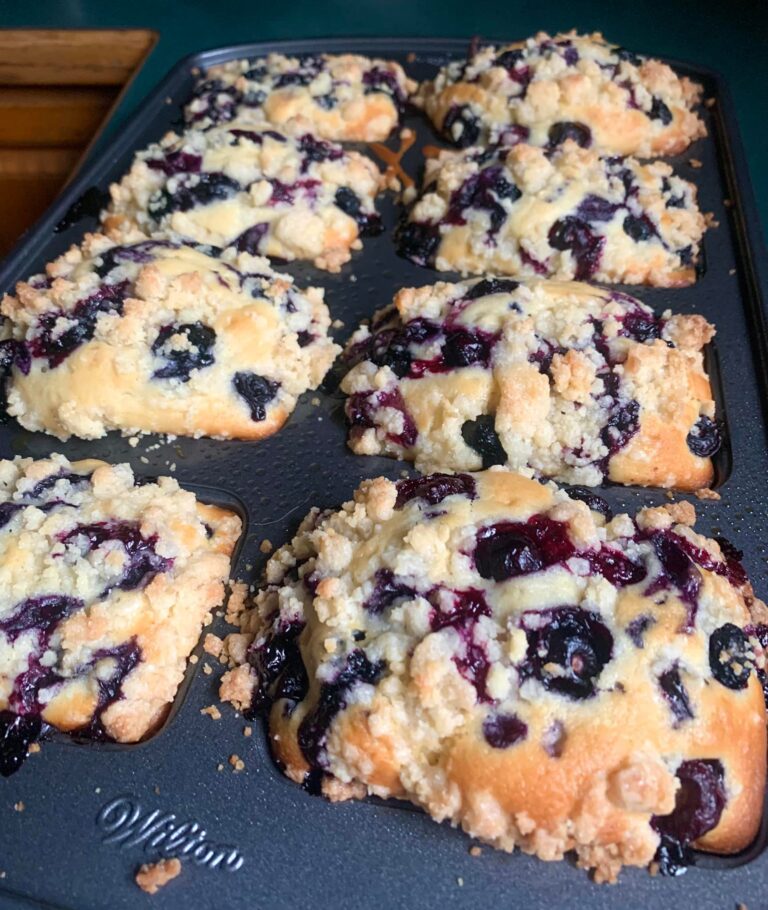

Buttery Cast Iron Shortbread Wedges
The Ultimate One-Pan Bakery-Style Shortbread
If you have never baked shortbread directly in a heavy cast iron skillet, your holiday dessert game is about to change forever. Shortbread is traditionally known for its delicate, melt-in-your-mouth texture, but baking it in cast iron introduces an incredible new element: perfectly crisp, caramelized, deeply buttery edges. The heavy metal conducts and holds heat in a way that standard baking sheets simply cannot match, creating a beautiful contrast between the crisp crust and the tender, crumbly center.
There is an undeniable, rustic charm to pulling a hot cast iron pan straight from the oven, filling the kitchen with the scent of warm vanilla and toasted butter. While cut-out cookies are a beloved tradition, they often require hours of chilling, rolling, and intricate decorating. This skillet shortbread completely skips all that fuss. You just press the crumbly dough into the pan, score it, and let the oven do the heavy lifting.
This is the perfect treat to whip up when you have last-minute guests or when you simply want a comforting, warm pastry to pair with your morning coffee. The thick, golden wedges look stunning served straight from the skillet, giving off a cozy, farmhouse-bakery vibe. Once you experience how easy it is to achieve that flawless, bakery-quality texture in a single pan, this elegant dessert will easily become a permanent fixture in your baking rotation.

Why You’ll Love This Recipe
- Incredible edge texture: The cast iron skillet creates a deeply golden, crispy outer crust that you simply cannot achieve on a flat baking sheet.
- No chilling or rolling: You get to skip the most time-consuming steps of traditional cookie making. Just press the dough and bake!
- Only 6 pantry ingredients: You do not need to run to the grocery store. This recipe relies entirely on basic baking staples you already have.
- Melt-in-your-mouth center: Using powdered sugar instead of granulated sugar ensures the interior crumb stays incredibly soft and tender.
- Looks rustic and beautiful: Serving warm wedges directly from a heavy skillet makes for a stunning, effortless presentation.
- Stays fresh for days: Because shortbread contains no eggs or liquid, it keeps beautifully at room temperature for over a week.
Ingredients
- Unsalted butter: This is the star of the show! Since butter is the primary flavor profile, use a high-quality brand. It must be softened to room temperature to cream properly.
- Powdered sugar: Also known as confectioners’ sugar. Unlike granulated sugar, which can leave a gritty texture, powdered sugar dissolves instantly to create that signature, tender shortbread crumb.
- Vanilla extract: A splash of pure vanilla adds a comforting warmth and enhances the rich dairy notes of the butter.
- All-purpose flour: Provides the structure for the cookie. Be sure to spoon and level your flour so the dough does not turn out dry.
- Salt: A crucial pinch to balance the sweetness and elevate the savory butter flavor.
- Granulated sugar: Used strictly for sprinkling over the hot, freshly baked shortbread to give the top a beautiful, sparkling crunch.
Step-by-Step Instructions
Step 1: Prep the Cast Iron Skillet
Begin by preheating your oven to 325°F (165°C). Take a standard 10-inch cast iron skillet and lightly grease the bottom and sides with a thin layer of butter. Even if your skillet is well-seasoned, this extra layer of butter acts as insurance to guarantee the wedges slide out cleanly later on.
Step 2: Cream the Butter and Sugar
In the bowl of a stand mixer fitted with the paddle attachment, or using a large bowl and a hand mixer, combine the softened unsalted butter and the powdered sugar. Beat them together on medium speed for a full 3 minutes. The mixture should transform into a pale, light, and incredibly fluffy cream. Do not rush this step, as beating air into the butter helps keep the shortbread tender. Once fluffy, beat in the vanilla extract.
Step 3: Mix the Shortbread Dough
Turn your mixer down to its lowest possible speed. Gradually add the all-purpose flour and the salt. Mix the ingredients just until the dough begins to come together in large, crumbly clumps. Stop the mixer immediately once no dry flour remains. If you overmix the dough, you will develop the gluten, which leads to tough, hard shortbread instead of delicate, crumbly shortbread.
Step 4: Press and Prick
Dump the crumbly dough directly into your prepared cast iron skillet. Using your hands or the flat bottom of a measuring cup, press the dough firmly and evenly across the bottom of the pan, making sure it reaches all the edges. Next, take a fork and gently prick a decorative pattern of holes all over the surface of the dough. This is called “docking,” and it allows steam to escape so the shortbread doesn’t puff up or bubble in the oven.
Step 5: Score the Wedges
Take a sharp paring knife and carefully score the raw dough into 12 even wedges (like slicing a pizza). Cut about halfway deep through the dough, but do not drag your knife all the way down to the bottom of the skillet. Scoring the dough before baking creates structural guidelines, preventing the fragile shortbread from cracking unpredictably when you cut it later.
Step 6: Bake and Garnish
Place the skillet into the preheated oven and bake for 30 to 35 minutes. You want to pull the pan out when the outer edges touching the cast iron are a deep, beautiful golden brown, while the center remains a lighter, pale gold.
Immediately upon removing the hot skillet from the oven, take a sharp knife and cut all the way down through the scored lines to separate the wedges. While the top is still piping hot, evenly sprinkle the tablespoon of granulated sugar across the surface. Let the shortbread cool completely inside the skillet before attempting to remove the slices.
Expert Cooking Tips
- Use truly softened butter: Your butter should yield easily when pressed with a finger, but it should not look greasy or melted. If it is too cold, it will not cream with the sugar; if it is melted, the shortbread will be dense and greasy.
- Do not skip docking the dough: Pricking the dough with a fork is not just for decoration. It is a vital step that prevents air pockets from forming and ruining the flat, even surface of your pastry.
- Cut while hot: Shortbread becomes incredibly brittle as it cools. If you wait until it reaches room temperature to cut it, the entire pan will shatter into messy pieces. Always slice through the scored lines the exact second it comes out of the oven.
- Watch the edges: Cast iron retains a massive amount of heat. Pull the skillet from the oven right when the edges hit that deep golden color, as the residual heat from the heavy pan will continue to bake the center for several minutes on the counter.
Variations to Try
- Rosemary and Sea Salt: Finely mince a tablespoon of fresh rosemary and mix it into the dough. After baking, sprinkle the top with flaky Maldon sea salt instead of granulated sugar for a sophisticated, savory-sweet treat.
- Chocolate Dipped: Once the wedges are completely cooled and removed from the pan, dip the wide crust edge of each piece into melted dark chocolate.
- Earl Grey Infused: Cut open two bags of high-quality Earl Grey tea and pulse the loose leaves in a spice grinder. Mix the fine tea powder into the dry ingredients for a beautiful, aromatic London Fog flavor.
- Citrus Zest: Rub a tablespoon of fresh lemon or orange zest into the powdered sugar before creaming it with the butter to release the bright, essential citrus oils.
What to Serve With Cast Iron Shortbread
Shortbread was practically invented to be dunked into hot beverages. The rich, buttery crumb soaks up liquids beautifully. Pair these thick wedges with:
- A steaming cup of Earl Grey or English Breakfast tea.
- A robust, freshly brewed cup of dark roast coffee or an Americano.
- A scoop of vanilla bean ice cream served right over a warm wedge.
- Fresh seasonal berries and a dollop of lightly sweetened whipped cream.
Storage & Reheating
Refrigerator
You do not need to refrigerate shortbread! The humidity in the fridge can actually make it soggy. Store the cooled wedges in an airtight container at room temperature. Because they do not contain eggs, they will stay remarkably fresh and crumbly for up to 10 days.
Freezer
These wedges freeze flawlessly. Place the completely cooled shortbread slices into a freezer-safe zip-top bag, placing a sheet of wax paper or parchment between any layers to prevent sticking. They will keep in the freezer for up to 3 months. Let them thaw on the kitchen counter for an hour before eating.
Reheating
While shortbread is traditionally enjoyed at room temperature, there is nothing quite like a warm, buttery cookie. To reheat, place a wedge on a microwave-safe plate and heat it for exactly 5 to 8 seconds.
Frequently Asked Questions
Can I make this if I don’t have a cast iron skillet?
Absolutely! If you do not own a cast iron skillet, you can press this exact same dough into a standard 9-inch round metal cake pan or a 9-inch square baking dish. The baking time will remain very similar, though the edges will not get quite as crispy as they do in heavy cast iron.
Why is powdered sugar used instead of granulated sugar?
Granulated sugar contains larger crystals that can leave shortbread with a slightly gritty texture, and it encourages the dough to spread. Powdered sugar contains a tiny bit of cornstarch and dissolves seamlessly into the butter, creating that iconic, melt-in-your-mouth texture.
Why did my shortbread turn out tough and hard?
Tough shortbread is almost always the result of overmixing the dough once the flour is added. The moment the wet and dry ingredients combine into a cohesive crumble, you must stop mixing. Overworking the dough develops the gluten in the flour, turning your delicate pastry into a dense brick.
Can I use salted butter instead of unsalted?
Yes, you can substitute salted butter if that is all you have on hand. If you do, simply omit the extra 1/4 teaspoon of salt called for in the recipe so the finished wedges aren’t overly savory.
How do I get the first wedge out without breaking it?
The first slice is always the trickiest! Ensure the shortbread is 100% completely cooled. Use a very thin, flexible metal offset spatula or a pie server. Slide it completely underneath the wedge to loosen the buttery bottom from the cast iron before gently lifting it straight up.
Final Thoughts
Baking a beautiful batch of shortbread does not have to be an all-day affair. With this cast iron skillet method, you get all the rich, buttery, nostalgic flavor of traditional bakery shortbread with zero rolling or chilling required. The contrast between the tender, melt-in-your-mouth center and those incredibly crisp, caramelized edges makes this recipe a true standout. Whether you are hosting a holiday brunch, attending a cookie exchange, or just treating yourself to a cozy afternoon snack, these golden wedges are guaranteed to impress.

Cast Iron Shortbread Wedges
Incredibly easy, buttery, melt-in-your-mouth shortbread baked right in a cast iron skillet! The heavy pan creates perfectly crisp, golden edges with zero rolling or chilling required.
Ingredients
- 1 cup Unsalted butter softened to room temperature
- 1/2 cup Powdered sugar
- 1 tsp Vanilla extract
- 2 cups All-purpose flour
- 1/4 tsp Salt
- 1 tbsp Granulated sugar for sprinkling
Instructions
- Preheat your oven to 325°F (165°C). Lightly grease the bottom and sides of a 10-inch cast iron skillet with a thin layer of butter.
- In the bowl of a stand mixer, or using a large bowl with a hand mixer, beat the softened unsalted butter and powdered sugar on medium speed for 3 minutes until light, pale, and very fluffy.
- Beat in the vanilla extract until fully incorporated.
- Turn the mixer to its lowest speed setting. Gradually add the all-purpose flour and salt. Mix just until the dough comes together into crumbly clumps. Do not overmix!
- Dump the crumbly dough directly into the prepared cast iron skillet. Use your hands to press it firmly and evenly across the bottom, reaching all the edges.
- Use a fork to prick a decorative pattern of holes all over the surface of the dough. (This prevents the shortbread from bubbling up in the oven).
- Using a sharp paring knife, score the raw dough into 12 even wedges, cutting only halfway down through the dough.
- Bake in the preheated oven for 30-35 minutes, or until the edges touching the pan are a deep golden brown and the center is pale gold.
- Remove the skillet from the oven. While the shortbread is still piping hot, use a sharp knife to cut all the way through the scored lines to the bottom of the pan.
- Immediately sprinkle the 1 tablespoon of granulated sugar evenly over the hot surface.
- Allow the shortbread to cool completely to room temperature inside the skillet before using a thin spatula to remove the wedges.
Notes
Do Not Overmix: Once you add the flour, mix only until combined. Overmixing develops gluten and creates tough, hard shortbread. Slice While Hot: You must cut the shortbread the second it comes out of the oven. If it cools, it will shatter when you try to slice it. No Cast Iron? You can press this dough into a standard 9-inch round cake pan or 9-inch square baking dish. Storage: Store in an airtight container at room temperature for up to 10 days. The lack of moisture keeps it incredibly fresh!