Traditional Italian Knot Cookies (Anginetti) – Soft, Glazed Italian Christmas Cookies
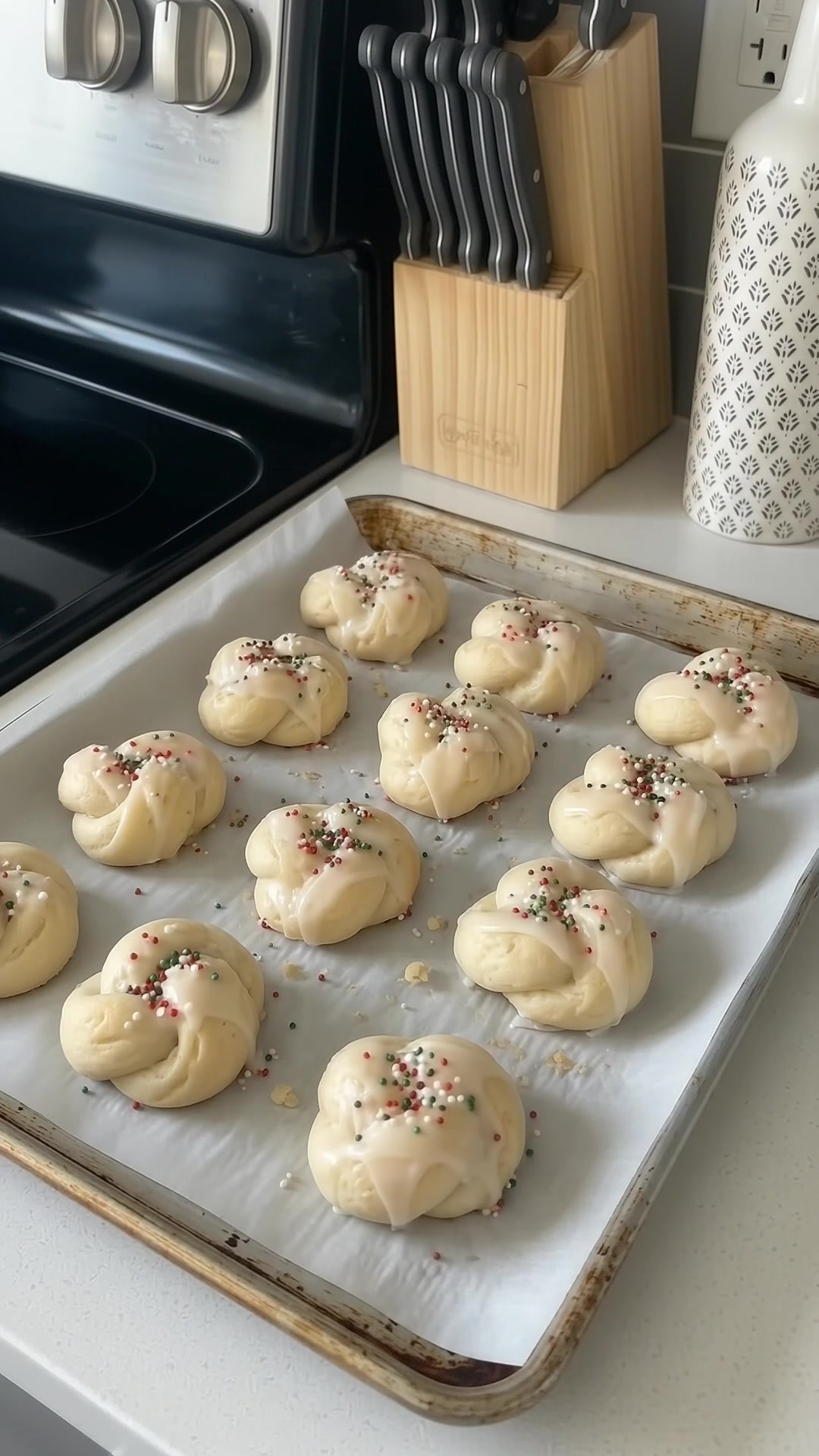
Traditional Italian Knot Cookies, also known as Anginetti, are soft, tender, old-fashioned Italian cookies topped with a sweet vanilla glaze and colorful sprinkles. These beautiful little cookies are a beloved part of Italian-American holiday baking, especially during Christmas, Easter, weddings, and family celebrations.
If you grew up in an Italian-American household, you may remember seeing trays of these glazed cookies on your grandmother’s kitchen table. Their delicate sweetness, soft texture, and beautiful twisted shapes make them a nostalgic favorite.
Unlike crunchy Italian biscotti, these cookies are soft and cake-like inside, with a lightly golden bottom and a sweet glaze that sets beautifully on top.
Best of all, they are made with simple pantry ingredients and are surprisingly easy to prepare at home.
Why You’ll Love These Italian Knot Cookies
There are plenty of reasons these traditional Italian cookies have remained popular for generations.
- Soft and tender: Their delicate, cake-like texture makes every bite delicious.
- Beautiful traditional shape: The dough is rolled into ropes and twisted into small knots.
- Easy homemade glaze: A simple vanilla icing adds just the right amount of sweetness.
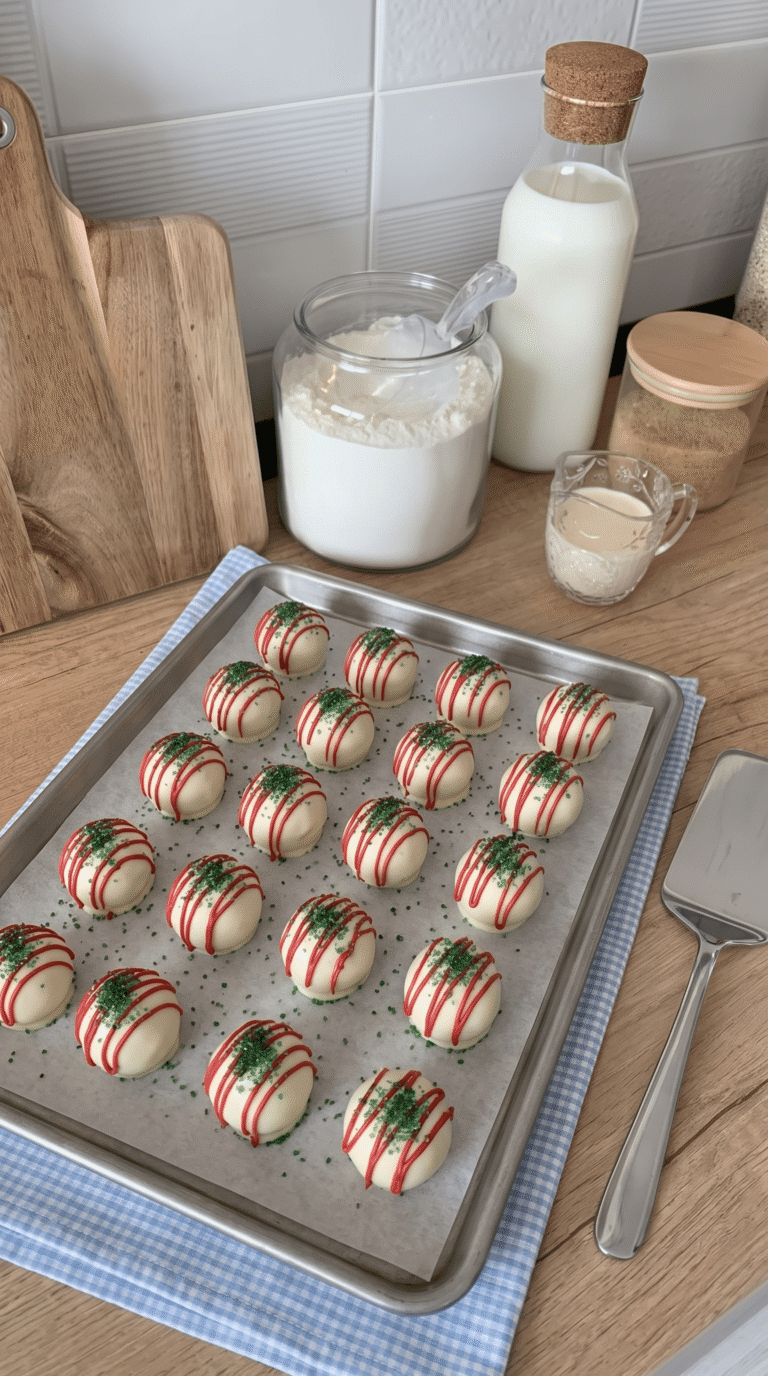
- Perfect for holidays: Red, green, and white sprinkles make them especially festive for Christmas.
- Great for sharing: These cookies are wonderful for cookie exchanges, family gatherings, and homemade holiday gifts.
Whether you’re continuing a family baking tradition or making Italian cookies for the first time, this recipe is a wonderful addition to your collection.
Traditional Italian Knot Cookies Recipe
Prep Time: 25 minutes
Chill Time: 30 minutes
Cook Time: 12–15 minutes
Total Time: Approximately 1 hour 10 minutes
Servings: 30 cookies
Course: Dessert
Cuisine: Italian-American
Oven Temperature: 350°F (175°C)
Ingredients
For the Italian Knot Cookies
- 3 cups (375 g) all-purpose flour
- 2 teaspoons baking powder
- ¼ teaspoon salt
- ½ cup (113 g) unsalted butter, softened
- ¾ cup (150 g) granulated sugar
- 3 large eggs, room temperature
- 2 teaspoons pure vanilla extract
- ½ teaspoon almond extract (optional)
- 2 tablespoons whole milk, if needed
For the Vanilla Glaze
- 2 cups (240 g) powdered sugar, sifted
- 3–4 tablespoons whole milk
- 1 teaspoon pure vanilla extract
- ½ teaspoon almond extract (optional)
- Red, green, and white nonpareil sprinkles
Optional Flavor Variations: Replace the almond extract with lemon zest or a small amount of anise extract for a more traditional Italian flavor.
How to Make Traditional Italian Knot Cookies
Step 1: Prepare the Dry Ingredients
In a medium mixing bowl, whisk together the all-purpose flour, baking powder, and salt.
Set the mixture aside while preparing the wet ingredients.
Combining the dry ingredients first helps distribute the baking powder evenly throughout the cookie dough.
Step 2: Cream the Butter and Sugar
In a large mixing bowl, beat the softened butter and granulated sugar together using an electric mixer.
Mix for approximately 2–3 minutes until light and creamy.
This step helps create the tender texture that makes Italian knot cookies so special.
Step 3: Add the Eggs and Flavoring
Add the eggs one at a time, beating briefly after each addition.
Mix in the vanilla extract and optional almond extract.
The mixture should become smooth and creamy.
For a traditional Italian variation, you can use lemon or anise flavoring instead.
Step 4: Combine the Dough
Gradually add the flour mixture to the wet ingredients.
Mix on low speed until a soft dough forms.
If the dough seems too dry or crumbly, add milk one tablespoon at a time until it comes together.
The finished dough should be soft and pliable without being excessively sticky.
Avoid overmixing, which can make the cookies tough.
Step 5: Chill the Dough
Cover the dough with plastic wrap and refrigerate for approximately 30 minutes.
Chilling makes the dough easier to handle and helps the cookies maintain their beautiful knot shapes during baking.
Step 6: Shape the Italian Knot Cookies
Preheat your oven to 350°F (175°C) and line two baking sheets with parchment paper.
Divide the dough into approximately 30 equal portions.
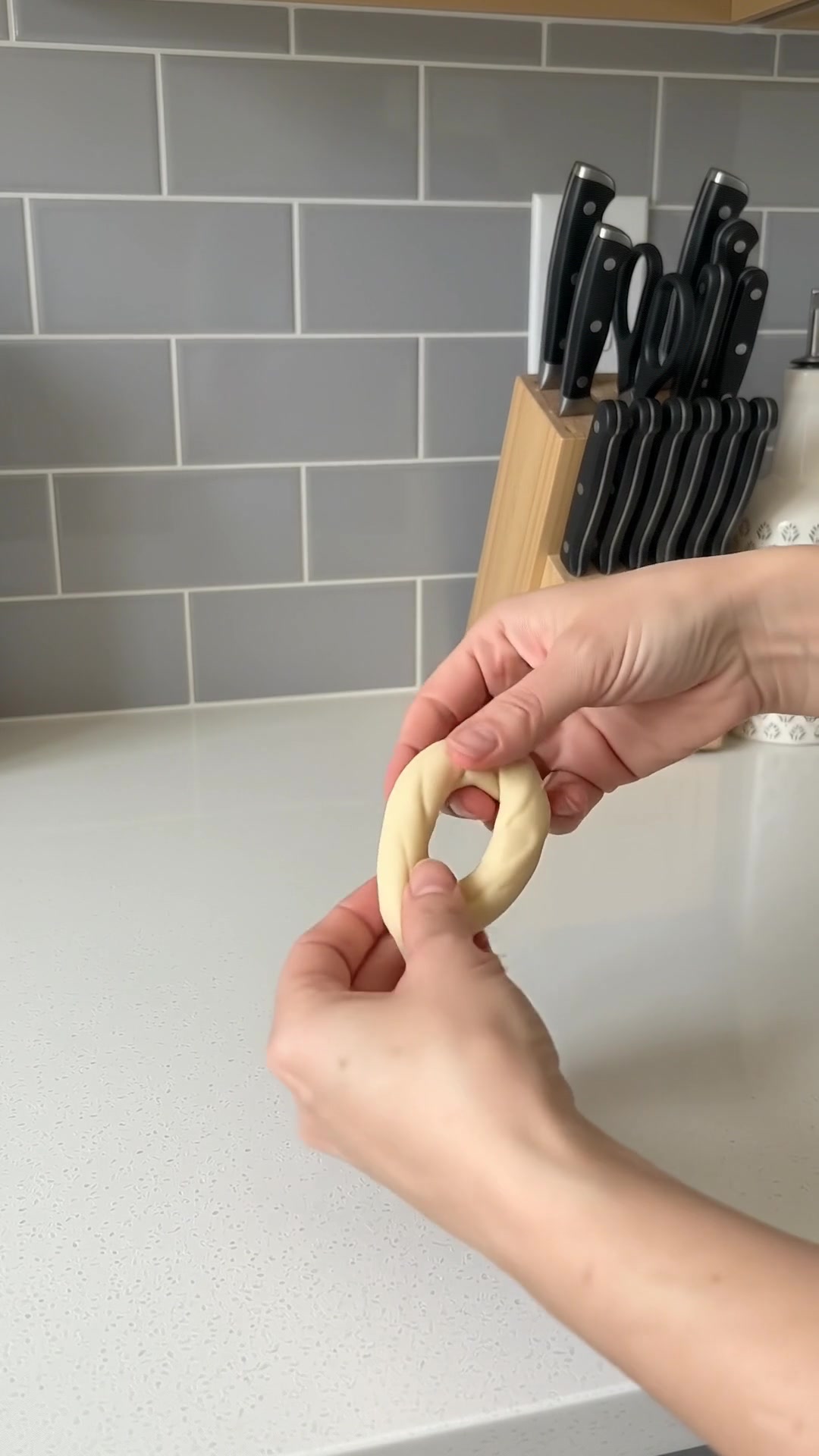
Working with one portion at a time, gently roll the dough between your palms or on a lightly floured countertop to form a rope approximately 6 inches long.
Carefully tie the rope into a loose knot, tucking the ends slightly underneath.
Place each shaped cookie onto the prepared baking sheet, leaving approximately 2 inches between cookies.
Do not pull the dough too tightly when shaping, as the cookies will expand slightly during baking.
Step 7: Bake the Cookies
Bake for approximately 12–15 minutes, or until the cookies are set and the bottoms are lightly golden.
The tops should remain pale rather than becoming deeply browned.
Remove the baking sheets from the oven and allow the cookies to rest for 5 minutes before transferring them to a wire rack.
Let the cookies cool completely before glazing.
How to Make the Sweet Vanilla Glaze
In a medium bowl, whisk together the sifted powdered sugar, vanilla extract, optional almond extract, and three tablespoons of milk.
Continue mixing until smooth.
If the glaze is too thick, add additional milk one teaspoon at a time until it reaches a thick but pourable consistency.
Dip the tops of the cooled Italian knot cookies into the glaze, allowing any excess icing to drip back into the bowl.
Alternatively, spoon the glaze over each cookie for a more rustic homemade appearance.
Immediately decorate with red, green, and white nonpareil sprinkles before the glaze begins to set.
Place the cookies on a wire rack and allow the icing to firm up for approximately 30–60 minutes before storing.
Tips for Perfect Italian Knot Cookies
1. Don’t add too much flour.
The dough should remain soft and easy to shape. Too much flour can produce dry, dense cookies.
2. Keep the dough ropes even.
Rolling the dough into evenly sized ropes helps the cookies bake consistently.
3. Make loose knots.
Avoid pulling the knots too tightly. Leaving a little space allows the dough to expand naturally during baking.
4. Don’t overbake.
Italian knot cookies should remain pale on top with lightly golden bottoms. Overbaking can make them dry.
5. Glaze only when completely cool.
Warm cookies will cause the glaze to melt and become too thin.
6. Add sprinkles immediately.
Decorate each cookie while the icing is still wet so the sprinkles stick properly.
Traditional Italian Knot Cookie Variations
One of the wonderful things about Italian knot cookies is how easily you can customize their flavor.
Lemon Italian Knot Cookies
Add one tablespoon of finely grated lemon zest to the dough and replace part of the milk in the glaze with fresh lemon juice.
This creates a bright, refreshing cookie that is especially popular for spring and Easter celebrations.
Anise Italian Knot Cookies
Replace the almond extract with ½ teaspoon anise extract.
Anise gives the cookies a distinctive traditional Italian flavor that many families associate with Christmas baking.
Almond Italian Knot Cookies
Use almond extract in both the dough and glaze for a delicate nutty flavor.
Christmas Italian Knot Cookies
Decorate the cookies with red, green, and white sprinkles for a festive Christmas cookie tray.
For Easter, use pastel-colored sprinkles instead.
How to Store Italian Knot Cookies
Proper storage helps keep these cookies soft and delicious.
At Room Temperature: Store completely cooled and glazed cookies in an airtight container for up to 4–5 days.
Place parchment paper between layers to prevent the icing from sticking.
In the Refrigerator: Refrigerate in an airtight container for up to one week, although the texture is usually best at room temperature.
In the Freezer: Freeze unglazed cookies in an airtight freezer-safe container for up to three months.
Thaw at room temperature and add fresh glaze before serving.
For the best appearance, avoid freezing cookies with sprinkles already attached, as condensation can cause the colors to bleed.
Frequently Asked Questions
What are Italian knot cookies called?
Italian knot cookies are often called Anginetti, although names and recipes vary by region and family. Some Italian-American families simply call them Italian glazed cookies or Christmas knot cookies.
Why are my Italian knot cookies dry?
Dry cookies are often caused by too much flour or overbaking. Measure the flour carefully and remove the cookies when their bottoms are lightly golden.
Can I make Italian knot cookie dough ahead of time?
Yes! Prepare the dough and refrigerate it in an airtight container for up to 24 hours. Allow it to soften slightly before shaping if it becomes too firm.
Can I use lemon instead of vanilla?
Absolutely. Lemon is a popular flavor for Italian knot cookies. Add fresh lemon zest to the dough and lemon juice to the glaze.
Are Italian knot cookies supposed to be soft?
Yes. These cookies should have a tender, slightly cake-like interior rather than the crunchy texture of biscotti.
Can I make these cookies for Christmas?
Definitely! Italian knot cookies are a popular addition to Italian-American Christmas cookie trays. Their white glaze and colorful sprinkles make them especially festive.
Serving Suggestions
Traditional Italian knot cookies are wonderful served alongside espresso, cappuccino, hot chocolate, or a warm cup of tea.
Arrange them on a decorative platter with other Italian favorites such as pizzelle, ricotta cookies, biscotti, amaretti, and rainbow cookies.
They also make thoughtful homemade gifts. Once the glaze has completely set, place the cookies in a decorative holiday tin lined with parchment paper.
For family gatherings, prepare a large batch and decorate them with seasonal sprinkles to match the occasion.
Final Thoughts
Traditional Italian Knot Cookies are more than just a delicious dessert. For many Italian-American families, they represent cherished holiday memories, family gatherings, and recipes passed down through generations.
Their soft, buttery texture, delicate vanilla flavor, and sweet glaze make them a wonderful treat for Christmas, Easter, weddings, or any special celebration.
Whether you remember your Nonna making these cookies or you’re starting a new family tradition, this easy homemade recipe is a lovely way to celebrate classic Italian baking.
Have you ever made Italian knot cookies with your grandmother or mother? Do you prefer vanilla, lemon, almond, or anise flavoring? Share your favorite family tradition in the comments!